Abdulsalami Abubakar’s Achievements: The Transition to Civilian Rule in 1999
Nigeria’s Leaders Series | Head of State, 1998–1999
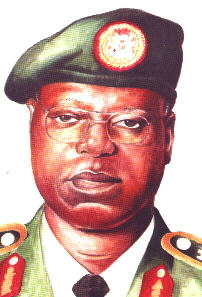
Abdulsalami Abubakar became head of state in June 1998 after Sani Abacha’s death. His brief administration is chiefly remembered for ending that period of military government.
Major contributions
- Release of political detainees: The government freed prominent prisoners and eased some of the repression inherited from the previous regime.
- Electoral reorganisation: INEC was established in 1998 to organise the elections leading to the Fourth Republic.
- A completed civilian handover: Elections were held during the transition, and power passed to elected President Olusegun Obasanjo on 29 May 1999.
Context and limitations
The transfer of power established the starting point of Nigeria’s current civilian constitutional era. It was a concrete accomplishment, rather than simply another announced timetable.
Nevertheless, the transition was designed under military authority, and observers identified significant electoral shortcomings. The handover should be recognised without presenting the process as flawless or suggesting it immediately solved Nigeria’s democratic challenges.
Sources and further reading
- INEC: institutional history
- Human Rights Watch: 1998 developments
- Carter Center: observing the 1998–99 elections
- US State Department: 1999 country report
Bagale Pulse historical series. Reviewed 4 October 2026. Government achievements reflect the work of institutions and citizens as well as national leaders.