Aguiyi-Ironsi’s 1966 Government: Contributions and a Short-Lived Legacy
Nigeria’s Leaders Series | Head of State, January–July 1966
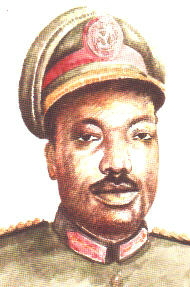
Major-General Johnson Aguiyi-Ironsi became Nigeria’s first military head of state after the January 1966 coup. His government lasted about six months, so its record is best understood through immediate decisions and their consequences.
Contributions and reforms
- Restoring central command: He helped contain the initial coup and took charge as civilian federal authority collapsed.
- Some press restrictions removed: His government repealed restrictions associated with the Newspaper Amendment Act through Decree No. 2.
- Attempted administrative reorganisation: Decree No. 34 sought to replace the federal structure with a more unified system. Its stated aim was national integration, but its effects were deeply divisive.
A contested legacy
Unification should not be described as an uncomplicated achievement. Many Nigerians feared the loss of regional autonomy, and the measure intensified distrust. Military government also displaced elected institutions. Ironsi was killed during the July 1966 counter-coup.
There is little basis for crediting this short administration with extensive completed development projects. Its significance lies in the first military takeover and the constitutional changes that followed.
Sources and further reading
Bagale Pulse historical series. Reviewed 4 October 2026. Government achievements reflect the work of institutions and citizens as well as national leaders.