Buhari’s Military Government: Anti-Corruption, Discipline and Its Limits
Nigeria’s Leaders Series | Military Head of State, 1983–1985
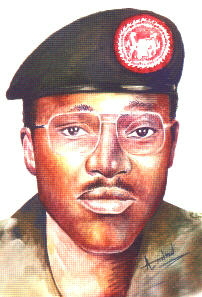
Muhammadu Buhari first led Nigeria after the December 1983 coup. His military government, which ended in August 1985, is distinct from his elected presidency decades later.
Policies and claimed achievements
- Anti-corruption enforcement: The government investigated and prosecuted former public officials. These actions made accountability a central public theme, although military tribunals and lengthy sentences raised substantial concerns about justice.
- War Against Indiscipline: Launched in 1984, the campaign promoted orderly queues, punctuality, environmental cleanliness and civic responsibility.
- Economic restraint: The administration pursued austerity and tighter controls in response to Nigeria’s financial difficulties. These policies imposed considerable hardship and did not resolve the economy’s structural weaknesses.
Assessing the legacy
The government’s supporters remember its emphasis on discipline and resistance to corruption. A balanced assessment must also recognise coercive enforcement, detention and restrictions on the press, including Decree No. 4. Stated policy objectives should not be treated as proof of lasting success.
Buhari was removed in the August 1985 coup led by Ibrahim Babangida. His later civilian record is covered separately in this series.
Sources and further reading
Bagale Pulse historical series. Reviewed 4 October 2026. Government achievements reflect the work of institutions and citizens as well as national leaders.