Ernest Shonekan’s Interim Government: Initiatives and an Unfinished Transition
Nigeria’s Leaders Series | Interim Head of Government, August–November 1993
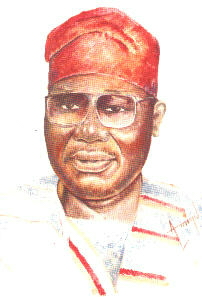
Ernest Shonekan headed Nigeria’s Interim National Government from 26 August to 17 November 1993. Appointed after the crisis over the annulled June 12 election, he served for less than three months.
Initiatives worth recording
- Political opening: The interim administration released political detainees and pursued steps intended to loosen some military-era restrictions.
- Oil-sector scrutiny: Shonekan initiated an audit of the Nigerian National Petroleum Corporation, an effort aimed at improving financial accountability.
- A proposed electoral transition: His government sought a route to new elections and civilian government, but it did not complete that transition.
Why the limitations matter
Shonekan had weak authority and faced a profound legitimacy crisis. Proposals, audit initiatives and diplomatic appeals should not be converted into claims of completed national transformation. In particular, appeals for debt relief were not equivalent to securing debt cancellation.
Sani Abacha took power in November 1993. The interim government’s historical significance lies primarily in this unsuccessful attempt to bridge military rule and a civilian political settlement.
Sources and further reading
Bagale Pulse historical series. Reviewed 4 October 2026. Government achievements reflect the work of institutions and citizens as well as national leaders.