IBB’s Achievements: A Sourced Look at Babangida’s Record, 1985–1993
Politics · Nigerian History | Published 3 October 2026
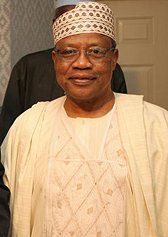

Ibrahim Badamasi Babangida’s years in power left institutions and infrastructure that remain part of Nigeria’s public life. Giving credit for those contributions is worthwhile, provided the record separates documented achievements from exaggerated claims.
The timeline matters: IBB governed from 27 August 1985 to 26 August 1993—approximately eight years. The claim that everything associated with his administration was achieved in less than four years is inaccurate. The Presidency’s official list confirms his tenure.
1. State creation and administrative restructuring
His government created Akwa Ibom and Katsina in September 1987, increasing Nigeria’s states from 19 to 21. The 1991 restructuring raised the total to 30. It included the division of Gongola into Adamawa and Taraba, and Bendel into Edo and Delta, alongside changes elsewhere.
These decisions reshaped administration and political representation. For Adamawa readers, the division of Gongola is a particularly direct part of that legacy. State creation itself, however, should be distinguished from the quality of services subsequently delivered by each state. Source: BusinessDay’s state-creation timeline.
2. Establishment of FRSC
The Federal Road Safety Commission was established in February 1988 during Babangida’s administration. Creating a dedicated national road-safety institution is a concrete part of his record, with a continuing role in road-safety education and enforcement. Source: FRSC official history.
3. Establishment of NDLEA
The National Drug Law Enforcement Agency traces its establishment to Decree No. 48 of 29 December 1989. This provided a dedicated federal institution for tackling illicit drugs. Establishing the agency deserves recognition; its performance over later decades remains a separate question. Source: NDLEA.
4. Reorganisation of intelligence services
In 1986, his administration reorganised the Nigerian Security Organisation through Decree No. 19. The DSS’s institutional history records the emergence of separate domestic, defence and foreign intelligence establishments, including the SSS and NIA. This was a restructuring of an existing security system, rather than the beginning of intelligence work in Nigeria. Source: DSS history.
5. Completion of Third Mainland Bridge
The bridge was completed under Babangida in 1990. Its earlier phase had been completed in 1980, before he became military president. His administration therefore deserves credit for bringing an inherited project to completion, while the contributions of earlier governments and the construction teams also belong in the story. Source: bridge history and references.
6. Abuja’s International Conference Centre
Julius Berger’s project history dates construction of the International Conference Centre to 1990 and records delivery within nine months. It is a documented example of a major public facility delivered during IBB’s tenure. Source: contractor’s historical timeline.
7. Challawa Gorge Dam
The contractor records the inauguration of Challawa Gorge Dam in 1992. The correct name is “Challawa Gorge,” rather than “Challawa Cenga,” as some circulating lists describe it. Its completion belongs to the later years of Babangida’s administration, not his first four years. Source: Julius Berger.
8. Federal administrative infrastructure in Abuja
Julius Berger also records commissioning a Federal Secretariat ministry building complex in Abuja in 1992. This supports a specific infrastructure achievement; it does not establish the broader circulating claim that IBB built federal secretariats in all 36 states. Nigeria did not reach 36 states until 1996. Project source; state-creation chronology.
Giving credit with accurate records
These examples show why Babangida’s institutional and infrastructure record deserves serious discussion. They also show why long achievement lists need careful checking: initiating, funding, completing and commissioning a project are different contributions.
Citizens can recognise useful public works while continuing to question a leader’s wider record. For today’s leaders, the practical standard should be clear promises, published milestones, completed projects and services that improve everyday life.
This is a selective historical review, not verification of every claim in the circulating 74-item list. Sources were checked on 3 October 2026.