Murtala Muhammed’s Achievements: Abuja, State Creation and the Transition Programme
Nigeria’s Leaders Series | Head of State, 1975–1976
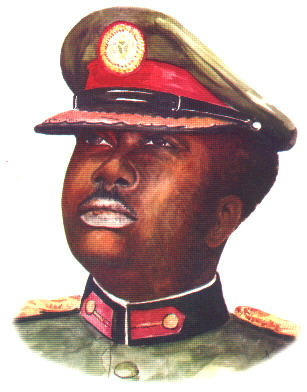
Murtala Muhammed’s administration was brief but set in motion decisions that outlived it. He governed from July 1975 until his assassination in February 1976.
Major contributions
- The Abuja decision: His government appointed the Aguda committee to examine a new federal capital and accepted the proposal for Abuja. This began the institutional process; the actual movement of the capital took place in 1991 under Ibrahim Babangida.
- Seven additional states: State creation in February 1976 increased Nigeria’s total from 12 to 19.
- A timetable for civilian government: The administration initiated constitutional work and a transition programme targeting October 1979. Olusegun Obasanjo completed that programme after Muhammed’s death.
Context and limitations
Muhammed also pursued a sweeping public-service purge. While presented as an effort to improve discipline and accountability, dismissals raised serious questions about fairness and due process. His short tenure makes it essential to distinguish decisions and programmes he initiated from projects completed by successors.
Sources and further reading
- Central Bank: Murtala Muhammed biography
- FCDA: institutional background
- Country study: the transition period
Bagale Pulse historical series. Reviewed 4 October 2026. Government achievements reflect the work of institutions and citizens as well as national leaders.