Nnamdi Azikiwe’s Achievements: Nationhood, Education and Nigeria’s First Presidency
Nigeria’s Leaders Series | Governor-General, 1960–1963; President, 1963–1966
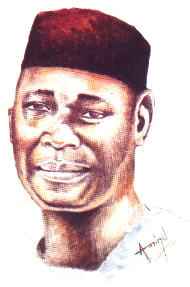
Nnamdi Azikiwe was a major nationalist whose public career spanned journalism, political organising and education. He became Nigeria’s first indigenous governor-general in November 1960 and its first president when the country became a republic on 1 October 1963.
Major contributions
- Independence advocacy: His newspapers and political activity helped build support for self-government. Independence was achieved through the work of several leaders and movements.
- A Nigerian presidency: His elevation marked the replacement of the monarchy with a republican head of state, an important constitutional milestone.
- Higher education: Azikiwe played a leading role in founding the University of Nigeria. Established in 1955 and formally opened in October 1960, the institution broadened opportunities for university education.
Putting the record in context
The university grew out of his earlier regional leadership; it should not be presented as a project started during his presidency. Under the First Republic’s parliamentary constitution, executive government was led by Prime Minister Tafawa Balewa. Azikiwe’s presidency was principally ceremonial.
His nationalist and educational legacy remains significant, but the First Republic also experienced deep political and regional divisions. The January 1966 coup ended the constitutional order in which he served.
Sources and further reading
Bagale Pulse historical series. Reviewed 4 October 2026. Government achievements reflect the work of institutions and citizens as well as national leaders.