Tafawa Balewa’s Achievements: Independence and Nigeria’s First Federal Government
Nigeria’s Leaders Series | Prime Minister, 1960–1966
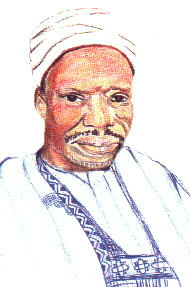
Abubakar Tafawa Balewa led Nigeria’s federal government as the country became independent on 1 October 1960. He was prime minister, rather than president, and worked within a parliamentary system. Independence was a collective achievement involving nationalist movements, regional leaders and constitutional negotiations.
Major contributions
- Leading the first independent federal government: Balewa helped manage the transition from British rule and the early institutions of a sovereign Nigeria.
- International recognition: Nigeria joined the United Nations on 7 October 1960 during his premiership, establishing its place in international diplomacy.
- African cooperation: His government participated in the creation of the Organisation of African Unity in 1963, supporting cooperation among newly independent African countries.
- The republican transition: Nigeria became a republic in October 1963 while Balewa remained head of government and Nnamdi Azikiwe became president.
Understanding his legacy
Balewa’s importance rests especially on nation-building and diplomacy. The period also brought serious regional disputes and electoral crises; these problems qualify any account of the government’s achievements. His administration ended with the January 1966 coup, during which he was killed.
At independence, Queen Elizabeth II was constitutional head of state. Balewa exercised the prime minister’s governmental role; these offices should not be confused.
Sources
- State House: leadership chronology
- United Nations in Nigeria: membership and background
- Balewa biography and historical references
Bagale Pulse historical series. Reviewed 4 October 2026.