Tinubu’s Achievements So Far: Student Loans, Wage Reform and an Ongoing Presidency
Nigeria’s Leaders Series | President, May 2023–present | Review date: 4 October 2026
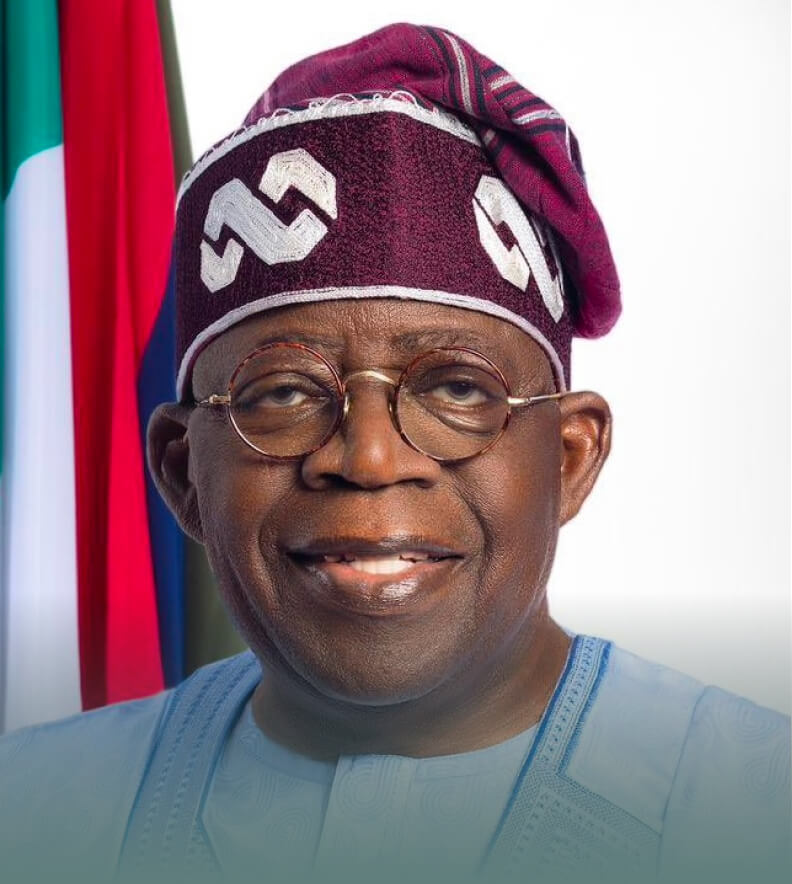
Bola Ahmed Tinubu became president on 29 May 2023. Because his administration is ongoing, this is a selective review of documented measures rather than a final verdict on his presidency.
Documented measures
- Student-loan framework: He signed the revised Student Loans Act on 3 April 2024. The resulting NELFUND programme provides an institutional route for education financing, with disbursement activity reported by the fund.
- National minimum wage: The 2024 reform raised the statutory monthly minimum from ₦30,000 to ₦70,000 and shortened the review cycle to three years. Actual benefits depend on compliance and purchasing power.
- Tax legislation: His administration enacted changes intended to simplify Nigeria’s tax system and administration. Enactment is an identifiable output; claims about long-term growth require evidence over time.
Results, intentions and trade-offs
Fuel-subsidy removal and foreign-exchange reforms were major policy choices, but they should not automatically be labelled achievements. Reporting in 2024 documented higher living costs and pressure on household purchasing power. A balanced review weighs fiscal objectives against those costs.
The presidency’s stated $1 trillion economy ambition for 2030 is a target, not an outcome already achieved. This profile avoids treating announced investment or future projects as completed results.
Sources and further reading
- State House: Student Loans Act 2024
- NELFUND: programme activity
- 2024 legislation review
- State House: presidential profile and tax reform account
- Reuters: reform hardships, June 2024
Bagale Pulse historical series. Reviewed 4 October 2026. Government achievements reflect the work of institutions and citizens as well as national leaders.