Nigeria’s Leaders from 1960 to Date: Achievements, Pictures and the Complete Series
Bagale Pulse history guide | Updated 4 October 2026
Explore Nigeria’s leadership from independence to the present through 17 illustrated profiles. Each article explains documented contributions, distinguishes completed results from policy intentions, and includes sources and historical context.
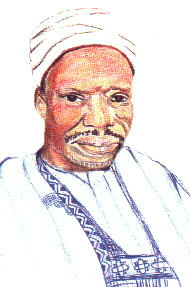
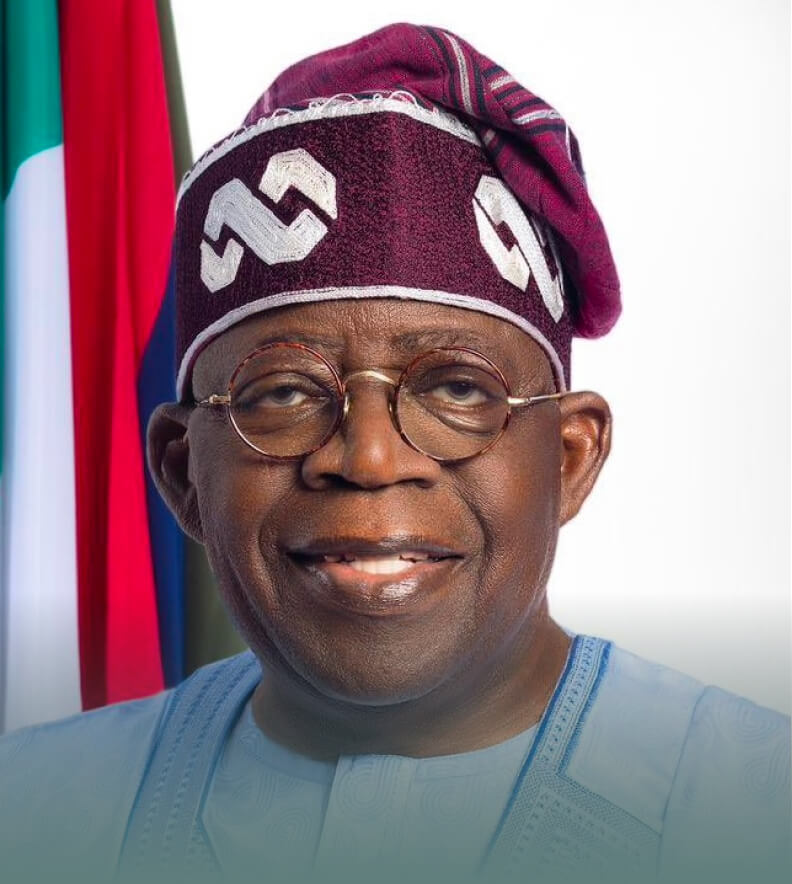
Read each leader’s profile
Who was head of state at independence?
From 1 October 1960 until Nigeria became a republic on 1 October 1963, Queen Elizabeth II was constitutional head of state, represented by a governor-general. Sir James Robertson served briefly after independence, followed by Nnamdi Azikiwe. Tafawa Balewa was prime minister and head of government. Domestic government achievements in this period should not be attributed to the Queen personally.
Azikiwe became the first president in 1963, with a principally ceremonial role under the parliamentary constitution. Nwafor Orizu served as acting president during Azikiwe’s absence immediately before the January 1966 coup; he did not lead a separate elected administration.
How to read the series
Obasanjo and Buhari each governed in two distinct periods, first under military rule and later as elected presidents. They therefore have separate profiles for those administrations. Brief governments, including those of Aguiyi-Ironsi and Shonekan, are assessed without inventing long lists of completed projects.
Photographs and historical portrait illustrations are identified and credited within the articles. Tinubu’s administration is ongoing, so its entry records selected measures rather than a final historical verdict. Achievements belong to institutions, legislators, workers and citizens as well as leaders.
Chronology source: State House list of past heads of state and presidents. Additional evidence appears in each profile.